Why You Need a Professional Arborist for Tree Care: Discover Their Professional Offerings
Employing an arborist is essential to ensure healthy trees. Their specific expertise permits precise evaluations of tree well-being, pest management, and correct trimming methods. Arborists also consider environmental factors, customizing management strategies that guarantee the longevity and security of the trees. Grasping the scope of their professional offerings is key to improving the vitality of your landscape. Looking into their specialized offerings demonstrates how vital their involvement is in keeping your green space flourishing.
Defining the Arborist's Function
Although many may assume that tree care is a simple task, defining the arborist's job highlights a profession that is significantly broader than basic maintenance. Arborists are extensively educated professionals who focus on the health and safety of trees. Their knowledge covers identifying tree ailments, understanding pest management, and providing proper pruning techniques to promote optimal development.
Arborists furthermore assess surrounding elements that can affect tree health, such as the composition of the ground and surrounding vegetation. They frequently perform hazard evaluations, especially in urban areas where trees may pose hazards to buildings and the public. Having expertise in tree life and local ordinances, arborists play a crucial role in promoting sustainable landscaping practices. By employing advanced tools and techniques, they help preserve the visual beauty and environmental harmony of green spaces. Consequently, the arborist's role is essential for the future vitality and preservation of trees.
Advantages of Expert Tree Evaluation
When trees are assessed by a professional arborist, the benefits extend far beyond simple visual inspections. A thorough tree assessment includes assessing the total vitality, stability of the structure, and potential risks associated with the tree. They use advanced instruments and skills to detect problems like sickness, insect invasions, and physical frailties that may not be visible to the untrained eye.
Furthermore, expert evaluations offer key information about the unique needs of your trees, ensuring tailored care that encourages lasting well-being. This proactive approach is key to avoiding potential complications, minimizing the chance of expensive tree removal or structural damage. Moreover, precise evaluations contribute to the safety of the surrounding environment, as arborists can offer expert suggestions for maintenance or intervention. In summary, funding a certified tree evaluation improves the lifespan and condition of trees, promoting a flourishing habitat.
Safe and Effective Methods for Pruning Trees
Effective trimming is vital for maintaining tree health and appearance. Tree care professionals use specialized methods to make certain cuts are executed safely and effectively, minimizing damage to the tree. Grasping these techniques can vastly increase the lifespan and vitality of trees in any landscape.
Importance of Proper Pruning
Skillful branch cutting plays an essential role in preserving the vitality and beauty of trees. Appropriate cutting practices assist in taking away dead or diseased branches, enabling increased ventilation and sun exposure, which is key to the complete vigor of the tree. In addition, planned cutting can enhance the tree's structure, reducing the risk of damage during storms. Visually speaking, expertly trimmed trees contribute to landscape beauty, providing a harmonious appearance in private and public properties (Florence Arborist). On top of this, good cutting practices fosters vigorous growth and reduces the chance of pest infestations. By utilizing the skill of an arborist, tree owners can guarantee that their trees receive the correct maintenance, in the end fostering durability and vigor in their greenery
Practices for Risk-Free Cutting
The right techniques for safe pruning are vital for maximizing tree health and ensuring the safety of the tree as well as the individual performing the work. Arborists emphasize the importance of utilizing sterile, precise equipment to perform exact trimming, which lowers the possibility of damage and harm to the tree. Correct trimming methods involve the three-cut method for thicker limbs, which prevents tearing of the bark. It is equally essential to prune during the tree's resting phase to limit pressure. Arborists recommend removing no more than 25% of a tree’s foliage at once to avoid shock. Moreover, knowing how trees grow and not cutting too near the main stem preserves the tree's structural soundness and promotes healthy regrowth.
Disease Diagnosis and Treatment Options
Diagnosing tree diseases requires a sharp observation and a methodical process, as each ailment can exhibit specific indicators. Professional arborists employ their skill to determine exact troubles such as fungus-related diseases, bacterial diseases, and pest infestations. The process starts with checking leaves, outer layer, and root systems, searching for color changes, wilting, or unusual growth patterns that suggest a difficulty
(Florence Arborist)After a diagnosis is reached, specialists advise on the best treatment plans customized for the particular sickness. The care plan might encompass applying fungicides or insecticides, using correct irrigation methods, or adjusting soil pH levels. Furthermore, arborists often stress the necessity of ensuring comprehensive tree vitality through suitable nourishment and attention
Importance of Tree Removal and Stump Grinding
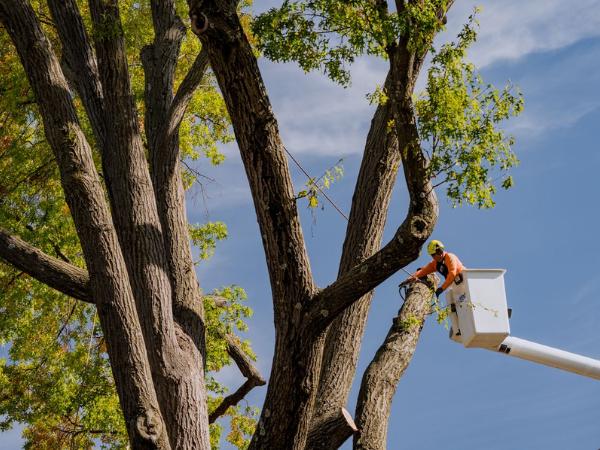
The extraction of trees and stumps is crucial for maintaining safety in landscaped areas, as dead or unstable trees can create major risks. In addition, eliminating stumps improves the look of the landscape and deterring future insect problems. Understanding these factors highlights the necessity for hiring a qualified arborist for successful tree management.
Hazard and Risk Evaluation
Performing a comprehensive safety evaluation is essential when planning tree extraction and stump elimination. This evaluation identifies potential hazards, such as compromised boughs, nearness to property, and buried service lines. Tree specialists employ their knowledge to figure out the most secure method for taking down trees, securing the least amount of peril to structures and personnel. Experts examine the health of the tree, surrounding environment, and climatic factors, which collectively impact the risk during the removal process. Additionally, eliminating the stump introduces separate hazards, including the potential for injury from machinery or flying material. A thorough risk review reduces these dangers, leading to safer and more effective completion of tree care services. Engaging a professional arborist makes certain every safety standard is carefully met.
Aesthetic Landscape Improvement
While maintaining a beautiful landscape improves curb appeal and value, the presence of dead or overgrown trees spoils the overall look. Tree removal is often crucial for revitalizing outdoor spaces, allowing for better light penetration and promoting the growth of adjacent plants. In addition, obtrusive stumps create visual noise and can cause people to trip. Stump grinding offers a solution, effectively removing the remnants of felled trees and restoring a seamless landscape appearance. Using the services of an arborist, clients can be certain that tree removal and stump grinding are performed safely and efficiently. This professional expertise not only boosts the aesthetic but also fosters a healthier ecosystem for current vegetation, ultimately leading to a more inviting and attractive outdoor space.
Keeping Pests Away
An inviting outdoor space is easily ruined by the presence of dead or decaying material trees, which often serve as breeding grounds for pests. Pest problems can cause considerable harm, not only to the trees themselves but also to surrounding plants and structures. Hiring an arborist is crucial for identifying trees that pose a risk and figuring out if they should be removed. In addition, stump grinding removes possible pest environments left by uprooted trees, further protecting the landscape. Regular inspections and proactive measures, such as tree removal and stump grinding, help maintain a healthy ecosystem, preventing costly infestations. Finally, an experienced arborist ensures that your outdoor areas stay lively and free of pests, maintaining both the look and the ecological health.
Professional Guidance on Tree Location and Landscape Planning
Proper tree placement greatly boosts the beauty and the ecological health of an outdoor space. Arborists provide expert advice on selecting tree species that thrive in specific environments, taking into account elements like climate, soil type, and sunlight. Arborists highlight the need for proper spacing, so that trees have sufficient room to mature without competing for resources.
Moreover, arborists review the entire layout of an outdoor space, suggesting where to place trees so they fit well with existing plants and structures. This strategic positioning not only improves visual harmony but also helps biodiversity thrive by bringing in wildlife.
Furthermore, they advise on the alignment of trees to create natural windbreaks and shade, boosting the energy savings for neighboring properties. Utilizing their specialized knowledge, property owners can cultivate landscapes that are both beautiful and sustainable, contributing to enduring fulfillment and better care for the environment.
Ongoing Maintenance and Care for Arboreal Well-being

Ongoing maintenance is crucial for ensuring the long-term health and energy of trees in any landscape. Arborists offer specialized services that include routine check-ups, trimming, and pest control, all aimed at promoting ideal growth and warding off sickness. By keeping track of tree vitality and ground composition, they may recognize emerging concerns prior to them worsening, reducing the cost and time for property owners.
Periodic cutting aids in keeping the tree's structure and taking away dead or unhealthy limbs, enabling greater movement of air and light penetration. Specialists further share knowledge on appropriate hydration practices and ground cover application strategies that enhance soil quality. Furthermore, they are able to suggest nutrient application timelines customized for particular types of trees, guaranteeing they absorb vital elements.
Commonly Asked Queries
How Do I Choose the Right Arborist for My Specific Requirements?
In selecting a qualified tree specialist, one should verify credentials, assess experience, check client feedback, and ask for estimates. Furthermore, talking about your particular requirements ensures the chosen expert matches up with what you personally expect and the required tree upkeep.
What Certifications Should I Look for in a Tree Specialist?
In choosing a tree care professional, it is wise to find accreditations such as ISA (International Society of Arboriculture certification), TCIA (Tree Care Industry Association accreditation), and state registration, ensuring the professional has the necessary expertise and training.
What is the recommended frequency for hiring a tree specialist for Tree Care?
It is recommended to hire a tree specialist annually for standard upkeep, though more frequent visits may be necessary for younger trees or those with specific health concerns, guaranteeing optimal development and a long lifespan.
Do Arborists Provide Support for Legal Disputes Involving Trees?
Indeed, arborists provide support for legal problems involving trees (Florence Arborist). They offer professional evaluations, necessary paperwork, and court testimony regarding tree health, safety, and maintenance, assisting in concluding conflicts concerning lot boundaries, legal accountability, and area rules effectively
What Can I Expect During the First Meeting With an Arborist?
During this initial assessment, the arborist evaluates the condition of the tree, addresses your issues, provides recommendations, and explains available options. Clients should look forward to a thorough evaluation coupled with professional guidance focused on their individual tree care issues.